"End the Misery, Stop Human Trafficking"
The world first organization established and run by the survivors of human trafficking.
-2007 TIP Report, US Department of State
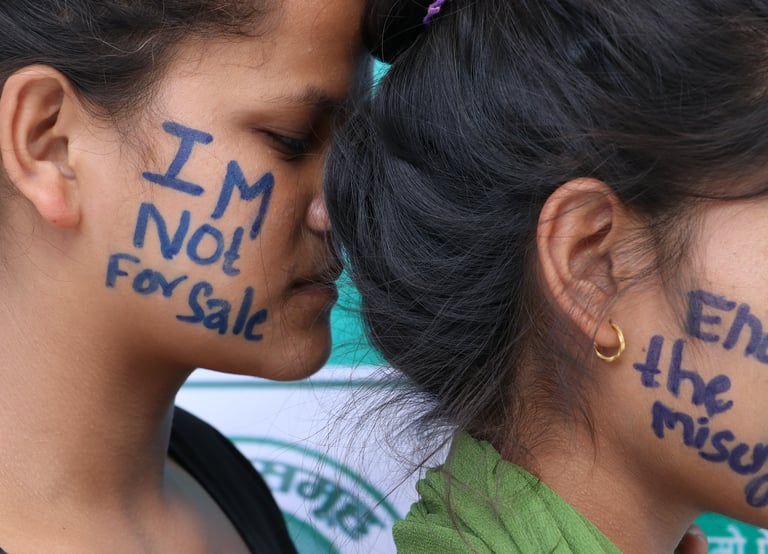
Shakti Samuha is the world’s first organization established and run by survivors of human trafficking, as noted in the 2007 TIP Report by the USA. Founded in 1996 and officially registered in Kathmandu in 2000, Shakti Samuha has been working against human trafficking.
2200+
Survivors sheltered
20+
Districts covered
10000s+
Reached through awareness
9+
National and International awards won
Prevention
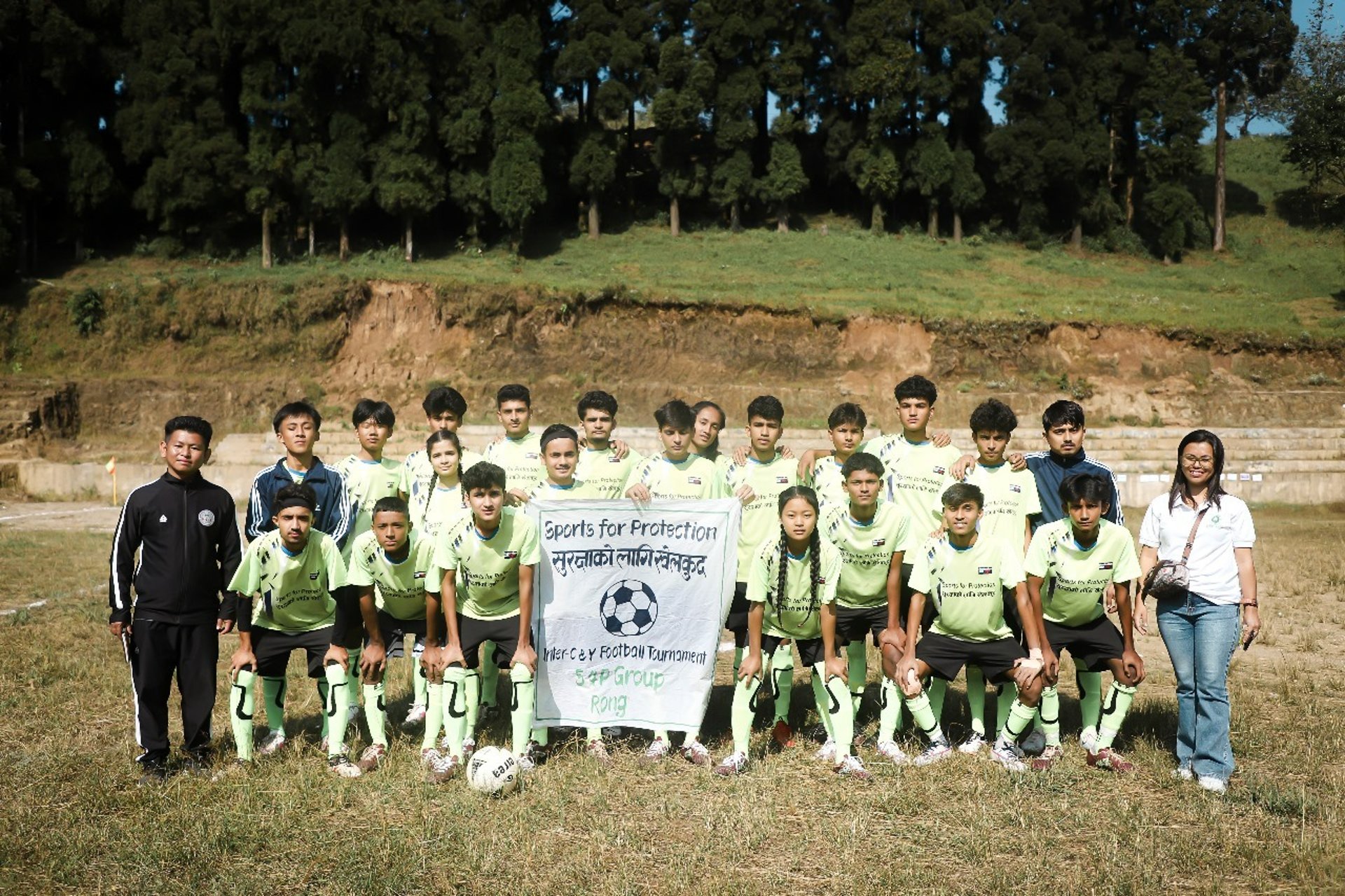
Shakti Samuha conducts awareness campaigns, workshops, and community outreach programs to reduce the risk of human trafficking. These initiatives target vulnerable groups, including women and children, and promote safe migration, education, and informed decision-making. In 2025, thousands of individuals participated in prevention activities, strengthening community-level protection.
Protection
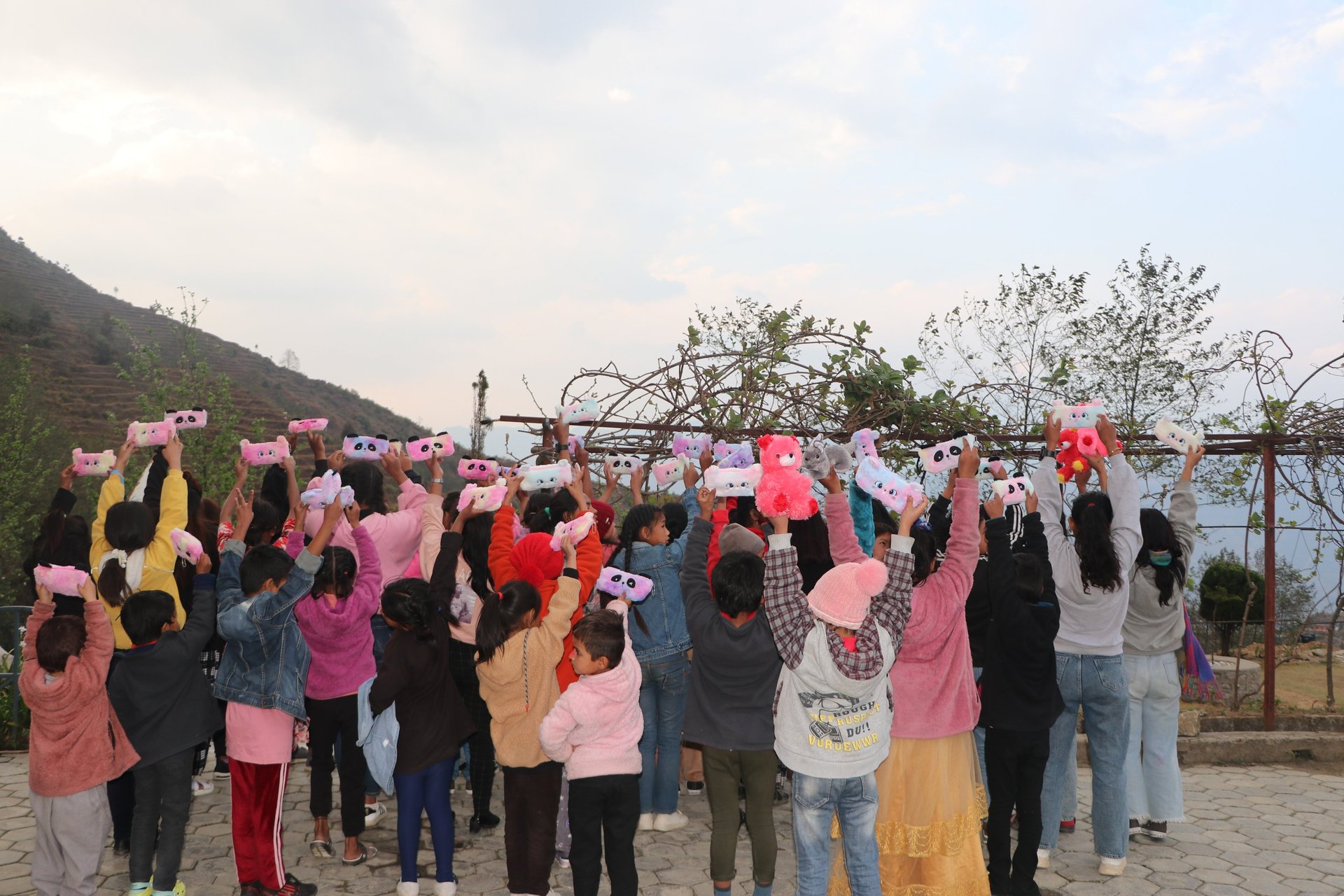
Shakti Samuha provides immediate and long-term protection services to survivors through shelters, transit homes, and rehabilitation centers. Support includes rescue operations, safe housing, legal assistance, psychosocial counseling, and family reintegration, ensuring survivors can recover in a secure and supportive environment. Shakti Samuha also helps survivors rebuild their lives by offering counseling, education, health support, and reintegration services following each step of case management system. Survivors are supported to return safely to their families and communities, with follow-up care to ensure long-term wellbeing and social acceptance along with risk and home assessment of the survivors before safe reintegration.
Livelihood
To promote independence, the organization provides skills training and income-generating opportunities such as tailoring, small businesses, and agriculture. These initiatives enable survivors to achieve financial stability and live with dignity.
Capacity Building
Shakti Samuha provides support to strengthen the skills and confidence to survivors. In addition, the organization provides conceptual clarity and issue based capacity development to the stakeholders. It also provides survivors various trainings, including education support, vocational, psychosocial, and leadership development programs. These efforts empower survivors to become self-reliant and active participants in society.
Lobby and Advocacy
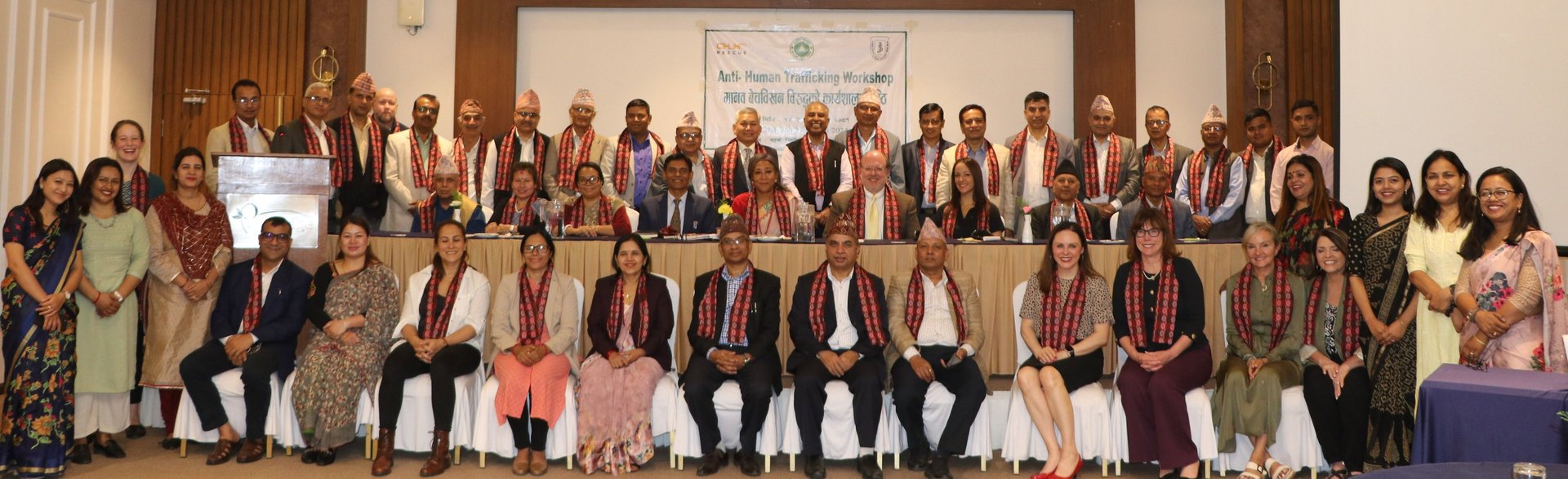
The organization actively engages with government bodies, legal institutions, and stakeholders to influence policy and effective implementation as well as strengthen anti-trafficking systems. It advances its initiatives through consultations, workshops, and dialogues that helps protect survivors’ rights and ensure their voices are meaningfully represented in decision-making processes.
Address
Sukedhara, Kathmandu | Nepal
Contact
+977-1-4578117
shaktisamuha.nepal@gmail.com
Subscribe to our newsletter
Shakti Samuha is an NGO registered in Nepal.